
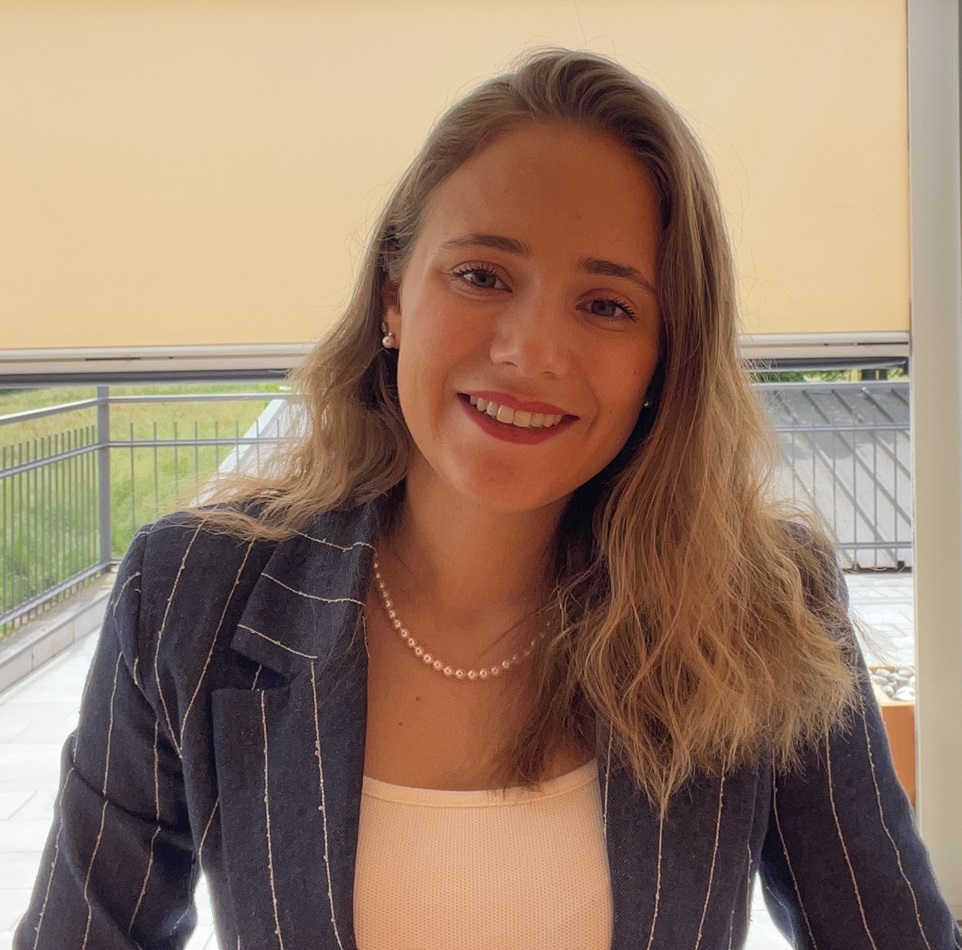
Lorena Pizzocri
- Group:cycle-40
Lorena Pizzocri
I have a background in psychodynamic psychology with a strong focus on research, which I cultivated through my studies and training in Italy, the Netherlands and Australia. My main interests lie in psychotherapy research, particularly in understanding both the outcome and the process of psychological interventions.
Currently, I am conducting research within the DECOMPOSE project, which aims to identify the active ingredients of psychological interventions for severe mental disorders. The project decomposes existing treatment packages and psychotherapies, integrating their components into a cross-disorder, comprehensive taxonomy. The ultimate goal is to conduct a component network meta-analysis to identify the most beneficial ingredients and their combinations for improving symptoms, functioning and treatment adherence.
By focusing on active ingredients, DECOMPOSE seeks to transform how we understand treatment effectiveness and personalization in mental health care—moving beyond traditional “brands” of therapy (e.g., CBT, psychodynamic therapy, interpersonal therapy, DBT, etc.) toward their therapeutic components.
This project aligns closely with my broader interest in the epistemology of psychological interventions—exploring their underlying mechanisms, points of convergence and differences. I am strongly convinced that, too often, across therapeutic orientations, we use different names to describe the same mechanisms of change.
In addition to group-level designs for evaluating treatment outcomes, I am particularly interested in methodologies that capture individual-level and intrapersonal changes. This has led me to explore the use of language in clinical populations as a potential indicator of patients’ psychological worlds and recovery processes, employing both qualitative and quantitative methods. I developed this interest while working at the Social Emotive Neuroscience Lab (Prof. Eddie Harmon-Jones) at the University of New South Wales, Sydney, where I conducted linguistic analyses using LIWC-22 (Linguistic Inquiry and Word Count) on autobiographical memories related to emotional experiences such as anger, sadness, fear, and disgust.
During my master’s thesis, I conducted a meta-analysis of single-case experimental designs (SCEDs) to evaluate the effects of Transactional Analysis (TA) psychotherapy on anxiety disorders. I am still interested in this methodological approach as a promising (but still evolving) way to bridge the gap between psychotherapy research and clinical practice, integrating process and outcome data, as well as qualitative and quantitative evidence.
In my free time, I love spending time in the nature and discovering new cultures. I’m passionate about hiking and swimming, and I also enjoy visiting art museums—if I were to pursue another degree, it would certainly be in art history!
Supervisor: Prof. Ioana Alina Cristea
Co-supervisor: Prof. Valentina Cardi